
How to Grow Sunflowers
Sunflowers are easy to grow from seed and fun for all the family. Learn everything you need in our guide.
The sunflower is one of the nation's best-loved flowers. Although most varieties have yellow blooms, you can also find sunflowers with rusty-red, cream, and near-white flowers. Annual sunflowers are fast growers and can reach 2 m or more in just three months – making them perfect for filling borders with colour or entering a competition.
Sunflowers bloom from summer to autumn and, depending on the variety, take 11–18 weeks to flower from seed. Sowing every couple of weeks gives you a constant supply of cheerful blooms all summer long. They are non-toxic to both pets and humans, and ideal for growing with children.
Buying Seeds
If you're looking to grow a tall sunflower (and let's face it, most people are), you'll want a variety that can really put on height, such as Kong, Russian Giant, Mongolian Giant or Titan. Below are a few links to trusted seed suppliers and tall varieties.
As an Amazon Associate, we may earn from qualifying purchases.

Suttons Sunflower Seeds 'Titan'

Mongolian Giant Seeds

30 UK Exhibition Skyscraper Sunflower Seeds

Sunflower 'Russian Giant' Seeds by Thompson and Morgan
Where to Grow Sunflowers
Sunflowers need sun – ideally 6–8 hours of direct sunlight per day. Grow them in rich, fertile soil in a sheltered spot to protect tall varieties from strong winds. They grow well in pots, but if you are aiming for impressive height, give them a spot in open ground.
When to Plant Sunflower Seeds
The best time to sow is between April and May. You can sow as late as mid-June, but bear in mind that sunflowers can take up to 18 weeks to flower, so late sowings may not bloom before autumn arrives.
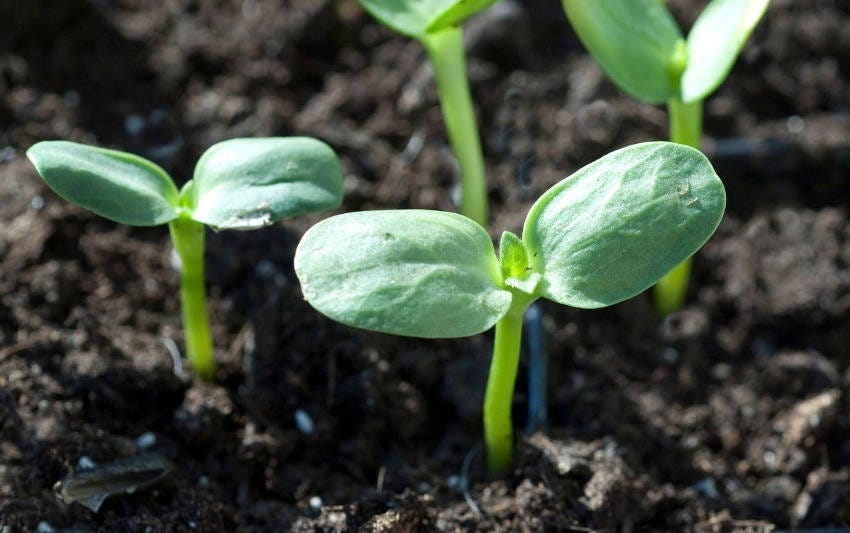
Sowing in pots: Sow seeds individually in 10 cm pots of peat-free, multi-purpose compost. Cover with a clear plastic bag to retain warmth, and place in a warm spot to germinate. Remove the bag once seedlings emerge, and once large enough to handle, harden them off for 2–3 weeks before planting out.
Direct sowing: Alternatively, sow seeds directly into the ground from mid-April onwards, once soil temperatures reach at least 10°C. Plant seeds 1–2 cm deep, spacing them about 15 cm apart initially. Once seedlings are 5–10 cm tall, thin them out to your desired spacing. This method skips the hardening-off step and can result in stronger, more robust plants with deeper root systems. The trade-off is less protection from slugs and snails in the early stages.
How to Plant Sunflowers
If you've raised seedlings in pots, and your garden has a lot of slugs and snails, pot them on into larger containers and harden them off before planting out – bigger plants are far more resilient to attack. Never plant out until the soil has warmed and all risk of frost has passed. Prepare the soil by removing weeds and incorporating organic matter such as compost or well-rotted manure. Plant at the same depth they were in the pot, water well, and stake taller varieties with a sturdy bamboo cane.
If sowing directly into the ground, prepare the soil in the same way and keep the area well-watered until seedlings are established and around 10 cm tall.
Growing Sunflowers in Pots
Sunflowers do well in containers, though they rarely reach the heights of those grown in the ground. Work plants up to a 30 cm loam-based pot with added organic matter. Water daily in hot weather, feed fortnightly with a nitrogen-rich fertiliser, then switch to a high-potash tomato feed as the buds begin to form.
Caring for Sunflowers
- Watering: Keep the soil moist and water deeply once a week once plants are established. Avoid waterlogging.
- Feeding: Feed fortnightly with a nitrogen-rich fertiliser for height, switching to potash-rich tomato feed before flowering.
- Staking: Use a sturdy cane to prevent wind rock, especially in exposed positions.
- After flowering: Deadhead spent blooms or leave faded heads for the birds to feast on the seeds. Once they have eaten their fill, pull out the whole plant and compost it.
How to Harvest & Save Sunflower Seeds
After flowering, sunflower heads develop masses of seed. Harvest them for cooking (remember to remove the tough seed coat), or lay them on kitchen roll to dry for a few days. Store in a paper envelope in a cool, dry spot so you can sow them again the following spring. Leave some seeds on the plant for the birds too!

Pests & Diseases
Sunflowers are generally trouble-free, but young seedlings are vulnerable to slugs and snails. Grow plants on until they are large enough to withstand attack, and consider wildlife-friendly copper tape around pots. If growing in a greenhouse or cold frame, check regularly and remove any pests by hand.
Black spots on leaves are most likely sooty mould, which grows on honeydew secreted by aphids. As plants mature, aphids lose interest. If you spot a lot of ants on your plants – a tell-tale sign of aphid activity – simply rub the aphids off with your fingers. No chemicals required.